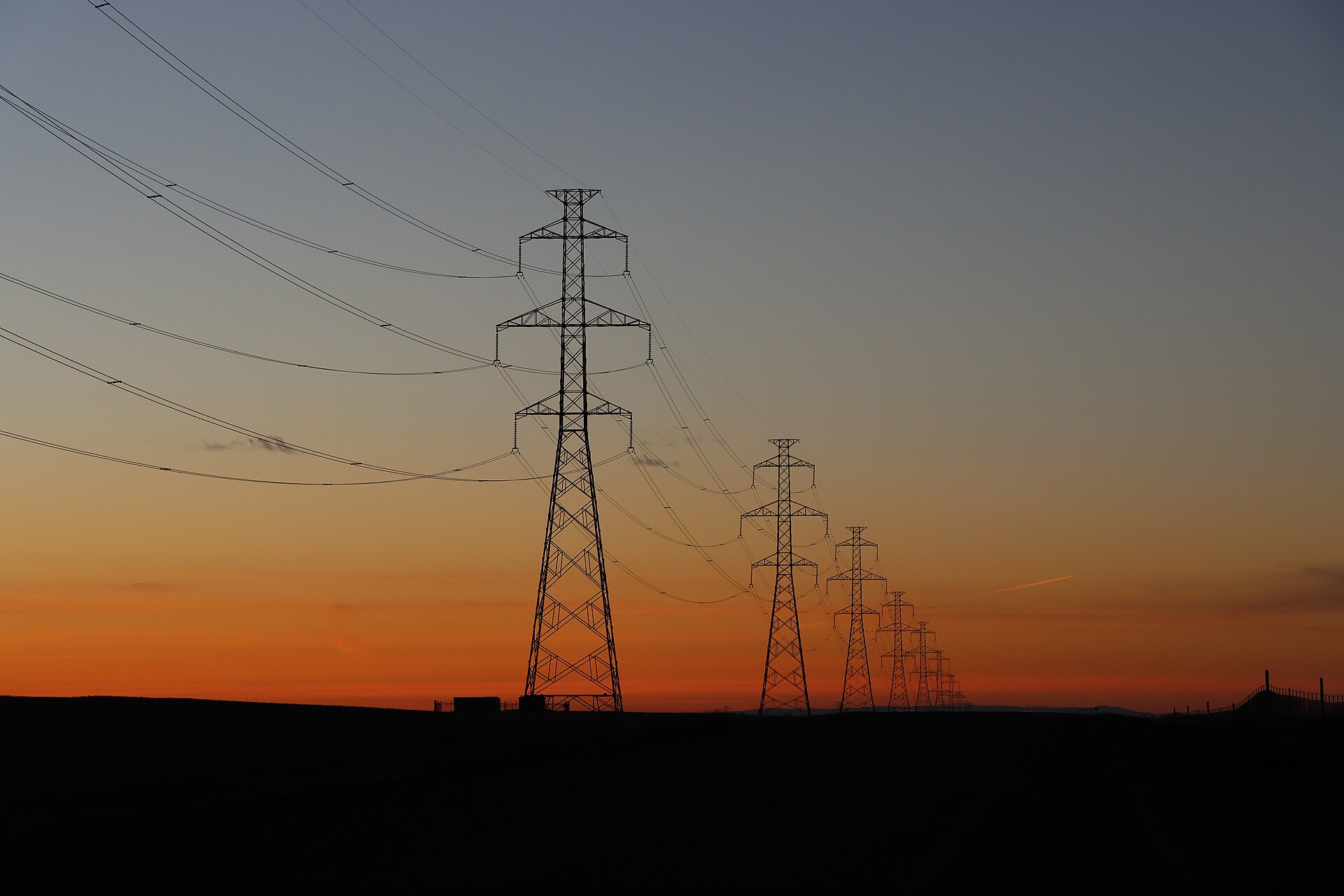
Regional electricity planners released a sweeping infrastructure proposal Thursday aimed at keeping pace with surging power demand across the Pacific Northwest over the next six years. The draft regional power plan, developed by the Northwest Power and Conservation Council, charts a course for adding 11,000 megawatts of generation capacity to the four-state grid by 2032—an expansion representing roughly 16 percent of the region’s current total capacity.
The plan covers Washington, Oregon, Idaho, and western Montana and carries an estimated implementation cost of $2.3 billion. Planners project electricity demand in the region will increase between 50 and 100 percent over the next two decades, driven by data centers, electrification of transportation, and industrial growth.
Renewable Energy and Natural Gas in the Mix
The infrastructure buildout relies on a diversified energy portfolio. The proposal calls for 9,000 megawatts of renewable generation—primarily wind and solar—and 2,100 megawatts of natural gas capacity. Washington state is directed to add between 500 and 1,250 megawatts of natural gas by 2032, according to the plan’s targets for individual states.
Jennifer Light, the council’s director of power planning, emphasized the need for multiple energy sources. “No single resource on its own will be able to meet our growing need for energy in the future. Rather, a regional portfolio of cost-effective resources will achieve the right balance of economics, efficiency, reliability, and adequacy,” Light told the Idaho Capital Sun in the council’s announcement.
Idaho’s role in the region’s power supply remains significant. The Bonneville Power Administration, which operates under the U.S. Department of Energy, controls approximately 75 percent of the Pacific Northwest’s grid and depends heavily on hydroelectric generation from federal dams throughout Idaho and the Columbia River system.
Public Input and Next Steps
The council has opened a public comment period on the draft plan, which runs until October 16. The final version is expected to be completed by the end of 2026 or early 2027.
The Northwest Power and Conservation Council, formed in 1981, publishes comprehensive regional power plans roughly every five years. The council’s planning process has included input from utilities, state energy officials, conservation advocates, and the Bonneville Power Administration throughout the two-year development period.
The BPA has flagged concerns about the cost and complexity of some energy conservation recommendations embedded in the plan, according to documents released during the planning process. Those tensions underscore the balancing act regional planners face: meeting demand growth while managing costs and maintaining system reliability across a territory spanning thousands of miles and four state jurisdictions.
For Idaho’s economy and energy policy, the outcome carries weight. The state’s position as both a power consumer and a major generation source—through federal hydroelectric projects and private utilities—means grid upgrades affect ratepayers, industrial competitiveness, and long-term energy independence across the region.
What Comes Next
The council will accept public comments through mid-October before finalizing the plan. Utilities, state regulatory agencies, and federal authorities will then use the approved plan to guide investment decisions and policy development over the remainder of the decade. Implementation will require coordination across state lines, federal oversight of BPA-operated facilities, and significant capital deployment by regional utilities and independent power producers.