Idaho’s fiscal outlook brightened this week when state budget officials released an improved revenue forecast for Fiscal Year 2027, projecting collections $291.1 million higher than lawmakers anticipated when they drafted the budget earlier this year.
The Division of Financial Management revised its forecast upward by 5.2 percent compared to the legislative budget writers’ prediction. The stronger projection comes as individual income tax, sales tax, and miscellaneous revenue all performed better than expected, though corporate income tax collections fell $15.9 million short of projections.
July, the first month of Fiscal Year 2027 which began July 1, brought in revenues $13.1 million above the newly revised forecast—a positive sign for the months ahead. However, July revenues overall ran $5.6 million lower than the same month in the prior year, underscoring the importance of sustained growth to meet full-year projections.
Building from Lean Year
The improved forecast marks a notable turnaround from the constraints of the previous fiscal year. Idaho ended Fiscal Year 2026 with a positive cash balance after state budget directors cut spending across nearly every agency and program to avoid a projected shortfall. Those reductions followed years of tax cuts that lawmakers had approved, which tightened the state’s revenue base heading into the tighter budget cycle.
If state revenues track the revised forecast exactly, Idaho will end Fiscal Year 2027 with a projected balance of $619.5 million—a cushion that could provide flexibility for addressing state priorities without additional revenue measures.
Budget chief Lori Wolff signaled in May that agencies should prepare for a tight fiscal environment, even as conditions improved. Wolff has identified key spending pressures, including revenue growth needed for non-discretionary spending, increased costs in health insurance and employee compensation, fire suppression, and what she termed critical investments in health, public safety, and education.
Next Steps for Lawmakers
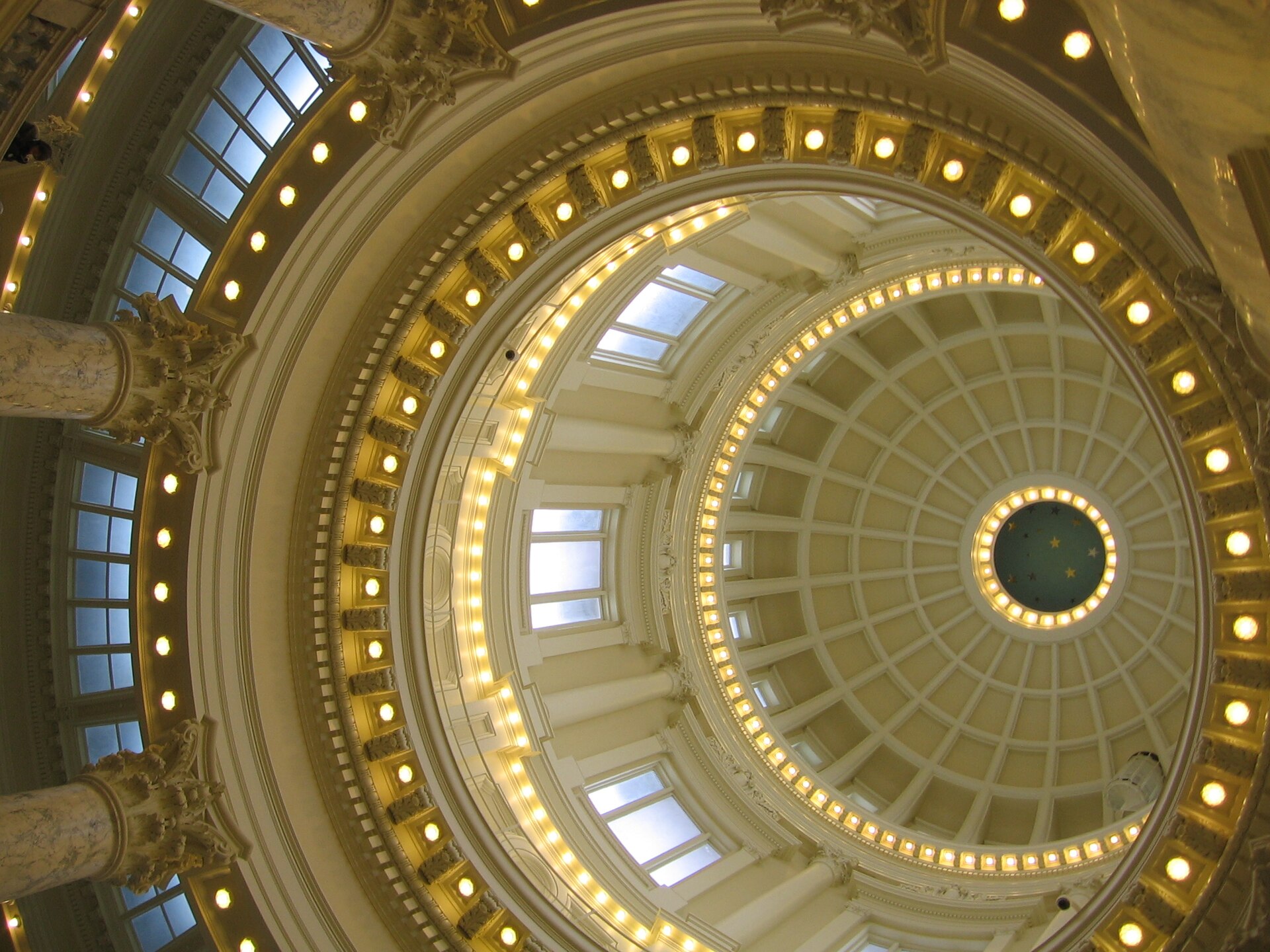
State agencies will begin submitting budget requests in September. The Idaho Legislature will review those requests during the 2027 legislative session, which convenes in January at the Capitol. Lawmakers will need to decide how to allocate revenues between the enhanced ending balance, immediate agency needs, and any new initiatives.
The stronger forecast provides legislators with more options than they faced in 2026, when revenue constraints forced across-the-board reductions. Whether the improved outlook translates into restored funding, tax relief, or additional reserves will become clear as the budget process unfolds over the coming months.